
The Timeless Charm of Bakeries: A Celebration of Craft, Flavor, and Community

Bakeries are more than just places to buy bread or pastries—they are sanctuaries of tradition, artistry, and community. From the sweet aroma of freshly baked croissants to the golden-brown crust of artisan loaves, bakeries evoke a sense of comfort and nostalgia, reminding us of simpler times and cherished rituals. Whether nestled in a bustling city street or quietly tucked away in a countryside village, a bakery is a microcosm of culture, creativity, and connection. Over the years, the humble bakery has evolved from a functional space serving essential sustenance to a vibrant establishment that celebrates craftsmanship, seasonal ingredients, and the joy of sharing food.
The Rich History of Bakeries
The origins of bakeries trace back to ancient civilizations. Early bakeries in Egypt and Mesopotamia were some of the first to embrace the art of baking, turning grain into bread, which quickly became a staple food. These early bakeries were vital to the development of urban life, as they allowed for more efficient food production, feeding large populations with basic yet nourishing fare. Over time, baking became more than a mere necessity—it evolved into an art form, a way to express cultural identity and creativity.
By the time of the Roman Empire, bakeries had become established institutions. The Roman pistor, or baker, was a respected professional, and the technology behind bread-making became increasingly sophisticated. This period also saw the introduction of the first forms of leavened bread, revolutionizing the texture and taste of baked goods. As cities grew, so did the demand for bakeries, and the early history of these establishments set the stage for the rich and diverse world of baking we know today.
The Middle Ages saw the rise of the guilds, which included bakers as skilled craftsmen. By the Renaissance, baking had become an essential part of European culture, with elaborate pastries and cakes reserved for the elite. In the centuries that followed, bakeries continued to evolve, reflecting the tastes, economic conditions, and innovations of the time. The 19th century marked the industrialization of bread-making, with mechanized processes allowing bakeries to produce loaves at a much larger scale. However, the rise of large-scale production led to a return to artisanal baking in the 20th and 21st centuries, as many consumers sought the quality, authenticity, and personal touch that smaller, independent bakeries could offer.
The Craftsmanship Behind the Oven: What Makes a Great Bakery?
At the heart of every exceptional bakery lies a commitment to craftsmanship. While baking may appear simple on the surface, it is a process that requires precision, patience, and skill. A truly great bakery combines the perfect balance of technique and creativity, where each loaf, pastry, or cake is crafted with care and attention to detail.
The process begins with the selection of ingredients. A bakery that prioritizes quality will source its flour, butter, eggs, and other ingredients from trusted, often local, suppliers. The texture of the dough, the rise of the bread, the flakiness of the pastry—all of these are influenced by the quality of the raw materials. For instance, high-quality butter will result in a richer, more flavorful croissant, while the right flour will give bread its perfect crumb and structure. Many bakeries also choose to work with organic or sustainably sourced ingredients, supporting ethical farming practices while ensuring their products are as fresh and flavorful as possible.
Another defining feature of a great bakery is its use of time-honored techniques. While the world of baking has seen incredible technological advancements, many of the best bakeries rely on traditional methods. Sourdough, for example, requires a long fermentation process in which wild yeast and bacteria naturally leaven the dough. This process not only imparts a distinct flavor and texture to the bread but also represents a patient, hands-on approach that has been passed down through generations of bakers. The slow fermentation process allows flavors to develop more fully, creating a depth and complexity that cannot be replicated by commercial yeasts. This level of attention to detail, often requiring hours or even days to complete, is one of the hallmarks of true craftsmanship.
The shaping of dough is another critical element of a bakery’s success. Whether forming a baguette, a rustic boule, or a delicate Danish pastry, the act of shaping dough is an art form in itself. Skilled bakers understand how to manipulate dough to achieve the perfect texture, rise, and appearance. The beauty of a loaf, with its golden, crackling crust and soft, airy crumb, is a testament to the baker’s expertise.
Finally, the oven is where the magic happens. The high heat of a wood-fired oven, the precision of a modern electric oven, or even the controlled environment of a steam-injected oven—all of these methods create a unique outcome for the products being baked. In artisan bakeries, the temperature and humidity of the oven are carefully monitored, as these variables significantly impact the final product. The result is often a perfectly crisp crust on bread, a golden sheen on pastries, or an airy, delicate texture on cakes and tarts.
The Bakery as a Community Hub
Beyond the mastery of baking, a bakery’s significance lies in its role within the community. A bakery is often one of the first places a person visits in the morning, drawn in by the smell of freshly baked bread and pastries. It is a space that invites connection, where neighbors, friends, and strangers alike come together to share in the joy of good food.
In many ways, bakeries serve as an extension of the home—a place where customers feel welcome and comfortable, where a warm loaf of bread or a box of cookies becomes more than just sustenance, but a symbol of care, tradition, and belonging. For some, the bakery is a daily ritual, an opportunity to indulge in a sweet treat or to bring home a loaf that will nourish the family. For others, it is a place of discovery, where new flavors and techniques are embraced, and where the boundaries of what baked goods can be are constantly pushed.
Modern bakeries often embrace this sense of community by hosting events, offering baking classes, or collaborating with local farmers and artisans. These establishments go beyond merely selling baked goods—they create an experience, an environment that fosters connection. Whether it’s a group of friends gathering for coffee and croissants or a couple enjoying a quiet moment with a slice of cake, the bakery becomes a space of shared moments and simple pleasures.
The Global Influence of Bakeries
While the concept of a bakery may seem universal, it is fascinating to see how different cultures have shaped their own unique traditions of baking. French patisseries, with their delicate, buttery pastries and refined presentation, have set the standard for baking around the world. Croissants, éclairs, and tarts are not just iconic French treats—they are beloved around the globe, influencing the way we think about texture, flavor, and elegance in baking.
In Italy, the art of baking is exemplified by pizza and focaccia, both of which showcase the simplicity of high-quality ingredients and the power of a hot oven. In Germany, breads like rye and pumpernickel represent centuries-old traditions that are still respected today. And in countries such as Japan, where baking has recently gained popularity, we see a fusion of Western techniques with Asian flavors, as seen in treats like matcha-flavored cakes or melon pan.
The global influence of bakeries is a testament to the way that food transcends borders, bringing people together through shared experiences and common tastes. Despite the diversity of flavors and techniques, the underlying principle remains the same: baking is about creating something beautiful, nourishing, and enjoyable.
The Future of Bakeries: Tradition Meets Innovation
As the world continues to change, so too does the role of the bakery. While the charm of traditional, family-owned bakeries remains undeniable, there is also a growing trend toward innovation in the world of baking. Many bakeries are embracing the “farm-to-table” ethos, focusing on locally sourced ingredients and sustainable practices. Others are exploring new technologies, such as the use of 3D printers for creating intricate designs on cakes or experimenting with alternative flours like almond or coconut flour to cater to dietary preferences.
At the same time, the revival of old-world techniques, like sourdough and wood-fired baking, reflects a yearning for authenticity in a world that often feels rushed and artificial. The future of bakeries will likely be a harmonious blend of tradition and innovation, where time-honored recipes coexist with new ideas and technologies.
Conclusion: The Enduring Allure of Bakeries
In the end, a bakery is more than just a place to buy food; it is a reflection of culture, creativity, and community. The art of baking is both a deeply personal and a profoundly communal experience, one that has withstood the test of time. From the delicate folds of a croissant to the hearty, rustic nature of sourdough, the baked goods produced in a bakery are a testament to craftsmanship, passion, and dedication. And as long as there are those who appreciate the simple pleasure of a freshly baked loaf of bread or a sweet, buttery pastry, bakeries will continue to be places of joy, connection, and timeless tradition.


Unique Cake Flavours You Will Love
February 26, 2021
Comments are closed.
-
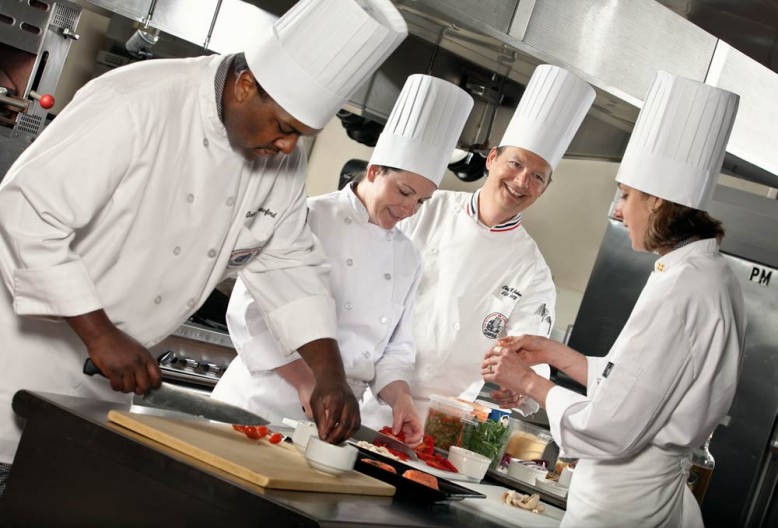
Who’re the earth’s Best Italian Chefs?
April 22, 2017 -

10 Essential Cooking Tips for Absolute Beginners
February 25, 2026 -

Feeding and Nourishing Your Baby Is Not the Same Thing
September 2, 2021
Latest Posts
-

How to Make & Fold Modak: Easy Guide for Perfect Ganesh Chaturthi Modaks
September 1, 2026 -

Finding Excellent Sandwiches in Your Area
August 27, 2026 -

-

-

Recent Posts
- How to Make & Fold Modak: Easy Guide for Perfect Ganesh Chaturthi Modaks September 1, 2026
- Finding Excellent Sandwiches in Your Area August 27, 2026
- How a Personal Trainer Can Coordinate Meal Timing With Early and Late Sessions August 25, 2026
- Meat Masala: Everything You Need to Know for Rich & Flavourful Curries August 11, 2026
- The Angle of Attack: Is 15 or 20 Degrees Sharper on a Knife? June 8, 2026