
Mastering the Art of Cooking: Essential Tips for Every Home Chef

Cooking is both a science and an art, a process that requires precision, creativity, and a dash of intuition. Whether you’re a novice stepping into the kitchen for the first time or an experienced home chef aiming to refine your skills, there is always something new to learn in the world of culinary arts. The beauty of cooking lies not only in the end product but in the journey—the sounds, the smells, the colors that come together to create a memorable meal. With the right tools, techniques, and mindset, anyone can elevate their cooking, turning everyday meals into delightful experiences. Below, we explore some essential cooking tips that can transform your kitchen into a place of creativity, efficiency, and flavor.
1. Start with Fresh, Quality Ingredients
The foundation of any great dish lies in the ingredients. Fresh, high-quality produce, meats, and dairy make a world of difference in the final flavor. When possible, opt for seasonal produce, as it tends to be at its peak both in flavor and nutritional value. Farmers’ markets are a great place to find local, fresh ingredients that are often superior to what is found in large grocery stores.
For meats, consider sourcing cuts from trusted butchers, or even specialty stores that prioritize humane, sustainable practices. The quality of meat will affect everything from tenderness to flavor, so this is one area where it’s worth spending a little extra.
2. Sharpen Your Knives
A sharp knife is one of the most underrated tools in any kitchen. Dull knives are not only more dangerous, as they require more force to cut, but they can also lead to uneven cuts, making the cooking process more laborious and less precise. Keep your knives honed and sharpened regularly. Invest in a good-quality sharpening stone or have them professionally sharpened. The ease with which you can slice through vegetables, meat, or fish with a sharp knife will make cooking more enjoyable and efficient.
3. Mis En Place: Organize Before You Cook
“Mis en place,” a French term meaning “everything in its place,” refers to the practice of preparing and organizing all ingredients before beginning the actual cooking. While it may seem time-consuming at first, this tip will save you valuable time during the cooking process and help prevent mistakes. Having your ingredients chopped, measured, and set out in bowls allows you to focus solely on the cooking rather than scrambling to find the next ingredient while your pan is sizzling away.
Moreover, by ensuring that everything is prepped beforehand, you can avoid overcooking or burning ingredients, especially when working with multiple elements at once.
4. Taste as You Go
One of the most important habits a cook can cultivate is tasting their food throughout the cooking process. A dish can change dramatically as it cooks, and tasting allows you to adjust seasoning, acidity, or sweetness in real-time. Never wait until the end to taste, as this may result in under-seasoning or an imbalance of flavors.
Additionally, tasting helps you understand how certain ingredients interact and evolve. For instance, the saltiness of a stock or the sweetness of tomatoes may increase as the dish simmers. By tasting as you go, you become more intuitive and confident in your cooking, ensuring a more refined end result.
5. Use the Right Tools for the Job
While a kitchen doesn’t need to be stocked with a vast array of gadgets, having the right tools can make cooking much more enjoyable and efficient. A few key pieces of equipment, such as a heavy-duty skillet, a non-stick pan, a good chef’s knife, and a sturdy cutting board, will get you through most recipes.
For baking, invest in quality bakeware and measuring cups. Precision is crucial when baking, so having the right tools for measuring dry and wet ingredients will ensure your cakes, cookies, and breads come out perfectly. Don’t forget the power of small appliances like a food processor or a stand mixer; these can significantly speed up prep time and take the effort out of tasks like chopping, kneading, and mixing.
6. Master the Art of Seasoning
Seasoning is one of the key elements that separates great home cooking from mediocre fare. While salt is the cornerstone of seasoning, it’s essential to understand how and when to use other flavor-enhancing ingredients like pepper, herbs, spices, and acids. Salt enhances natural flavors, but it should be used in moderation and added at the right time during cooking to allow it to dissolve and infuse the dish.
Herbs and spices can elevate your cooking, but timing matters. Dried herbs should be added early in the cooking process to allow their flavors to meld, while fresh herbs should be added at the end to preserve their vibrant flavors. For meats, marinating not only enhances flavor but also improves tenderness. Similarly, a squeeze of fresh lemon or a dash of vinegar just before serving can brighten a dish and balance rich flavors.
7. Don’t Overcrowd the Pan
A common mistake many home cooks make is overcrowding the pan, especially when searing meats or sautéing vegetables. When too many items are added to the pan at once, the temperature drops, and the food ends up steaming rather than searing. This results in a lackluster texture and flavor. To achieve a beautiful golden crust or caramelization, cook in batches, allowing enough room for each piece to make contact with the surface of the pan.
8. Understand Heat and Cooking Methods
Understanding how heat affects food is key to becoming a more skilled cook. The heat of your stovetop or oven can change the outcome of a dish, so it’s important to know when to use high heat for searing or when to use low heat for gentle simmering. For example, pan-frying and searing work best with high heat to create a crust, while braising and slow cooking require low, steady heat to break down tough cuts of meat.
Learn the difference between dry-heat cooking methods like roasting, grilling, and sautéing, and moist-heat methods like steaming, poaching, and braising. Each technique imparts different flavors and textures, and mastering them gives you the ability to cook a wide variety of dishes with precision.
9. Don’t Be Afraid to Experiment
While following recipes is a great way to learn new techniques and flavor combinations, don’t be afraid to experiment once you’re comfortable in the kitchen. Substituting ingredients based on personal preference or dietary needs can lead to delightful discoveries. Whether it’s swapping a fruit for a vegetable, trying out a new spice, or adjusting the level of heat in a dish, cooking is about exploration and creativity.
As you grow more confident, feel free to improvise. Cooking, at its best, should reflect your personality and preferences, so embrace the chance to make a dish your own.
10. Clean as You Go
A cluttered kitchen can quickly turn the cooking process into a stressful, chaotic experience. To maintain a smooth flow, clean and organize your workspace as you cook. This includes washing utensils, wiping down surfaces, and clearing away ingredients once they’ve been used. Not only does this keep your kitchen tidy, but it also ensures that you have enough space to work and that everything is ready for the next step.
Conclusion: The Joy of Cooking
At its heart, cooking is about more than just feeding ourselves—it’s a way of connecting with the world around us, expressing creativity, and experiencing the pleasures of nourishment. By focusing on fresh ingredients, honing essential skills, and experimenting with new flavors and techniques, anyone can elevate their cooking. Whether preparing a simple weeknight dinner or a complex multi-course meal, the joy of cooking comes from the process itself: the rhythms, the transformations, and the satisfaction of creating something from scratch. With these cooking tips, you’ll not only become a more efficient cook but also a more confident one, unlocking a new world of flavor and possibility in your kitchen.
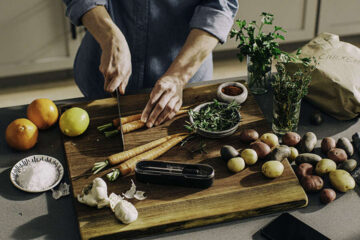
10 Essential Cooking Tips for Absolute Beginners
February 25, 2026
How Do I Include Cooking Wine Into My Meals?
June 20, 2023
Good Appliances Make for Good Service
June 21, 2018
Comments are closed.
-

The Essence of a Bar: A Cultural and Social Haven
March 21, 2025 -
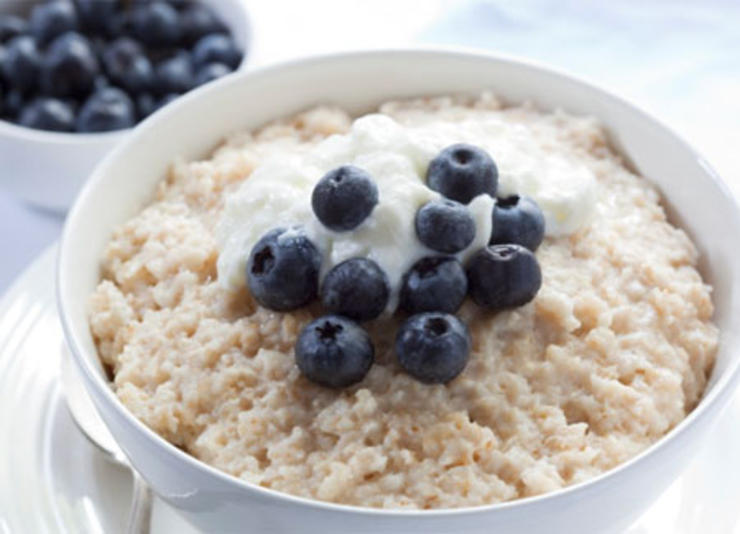
Suggestions for Fast and Healthy Breakfast Recipes
February 22, 2017 -
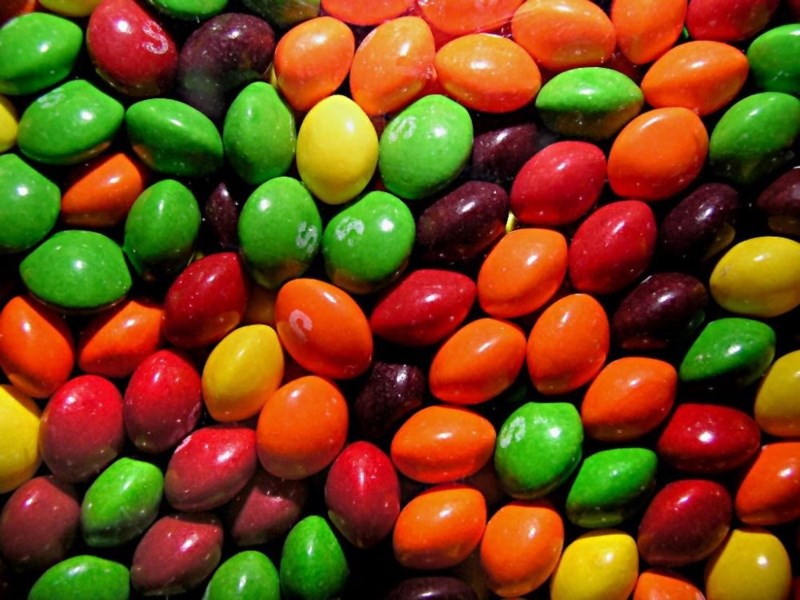
Do You Want to Buy Sweets in Bulk?
October 6, 2018
Latest Posts
-

How to Make & Fold Modak: Easy Guide for Perfect Ganesh Chaturthi Modaks
September 1, 2026 -

Finding Excellent Sandwiches in Your Area
August 27, 2026 -

-

-

Recent Posts
- How to Make & Fold Modak: Easy Guide for Perfect Ganesh Chaturthi Modaks September 1, 2026
- Finding Excellent Sandwiches in Your Area August 27, 2026
- How a Personal Trainer Can Coordinate Meal Timing With Early and Late Sessions August 25, 2026
- Meat Masala: Everything You Need to Know for Rich & Flavourful Curries August 11, 2026
- The Angle of Attack: Is 15 or 20 Degrees Sharper on a Knife? June 8, 2026