7 Bar Trends That Are Changing the Nightlife Industry
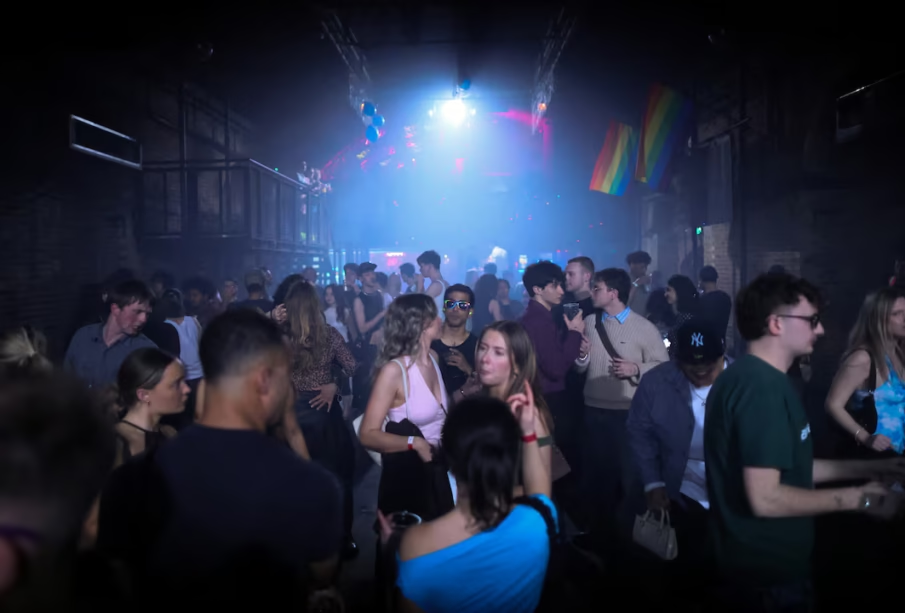
The nightlife industry is undergoing a massive cultural shift. The traditional model of the dimly lit tavern serving basic highballs and macro beers late into the night is no longer enough to capture the modern consumer. Today, patrons view a night out as an investment of both time and money, leading them to prioritize substance, innovation, and mindfulness over mere consumption.
Driven by the evolving preferences of Millennials and Generation Z, bars and lounges are completely reinventing how they design menus, curate spaces, and manage backend operations. From unexpected flavor culinary boundaries to fluid, multi-use venues, the hospitality sector is entering a fascinating new era. These seven groundbreaking bar trends are completely redefining the nightlife experience.
1. The Sober Renaissance and Luxe Low-ABV Offerings
Conscious consumption has moved from a niche lifestyle choice straight into mainstream nightlife culture. Consumers are increasingly evaluating their relationship with alcohol, leading to a massive demand for sophisticated, adult-focused beverages that contain little to no alcohol.
Bars are no longer merely relegating non-alcoholic options to a tiny, uninspired mocktail section filled with sugary fruit juices and grenadine. Instead, menus feature fully realized zero-proof and low alcohol by volume selections positioned alongside standard cocktails. Mixologists build these complex beverages using advanced ingredients:
-
Distilled zero-proof botanicals that mimic the complexity of gin or dark spirits
-
Adaptogen-infused coolers featuring functional mushrooms like Lion’s Mane to promote mental clarity
-
Fermented, gut-friendly options like premium house-made kombuchas and tepache spritzers
-
Prebiotic sodas and sparkling teas designed to deliver the effervescence of dry sparkling wine
This structural movement ensures social inclusion, allowing non-drinkers, designated drivers, and mindful patrons to enjoy an elevated social experience without the subsequent hangover or anxiety.
2. Savory and Culinary Mixology
The line separating the professional kitchen from the front bar has completely blurred. Mixologists are leaning heavily into a culinary laboratory mindset, abandoning overly sweet profiles to explore deep, savory, and umami-packed territory.
A primary driver of this trend is the innovative use of fat washing. This technical process involves infusing a base spirit with a liquid fat, such as bacon grease, browned butter, duck fat, or premium olive oil. The mixture is frozen until the lipids solidify, allowing the bartender to skim off the solid fat while leaving the spirit infused with a rich, velvety texture and complex flavor notes.
Beyond fat washing, modern beverage programs are featuring ingredients that were once exclusively found on dinner plates. Monosodium glutamate is finding its way into premium syrups to enhance savory depth. Menus frequently highlight bold, briny components like pickle juice, pepperoncini brine, and earthy Japanese miso. Herbal mixology has also evolved, incorporating complex greens like arugula, sorrel, and fresh tarragon to keep flavor profiles distinctively crisp, dry, and balanced.
3. Snackable Sips and Mini Cocktails
The desire for variety is changing the physical scale of cocktail service. Patrons frequently suffer from decision fatigue when faced with an expansive, premium menu. Simultaneously, the financial cost of a high-end, full-sized craft cocktail makes ordering an unfamiliar drink a risky venture.
To solve this dilemma, bars are embracing the concept of snackable sips, most notably through the viral rise of the mini martini and tiny spirit flights. These miniature variations are precisely poured to deliver maximum variety without forcing extreme alcohol consumption or immense financial strain.
This trend allows venues to structure dedicated tasting menus and flight concepts, curated to be consumed individually so guests can sample diverse flavor profiles throughout the evening. For the establishment, smaller portions encourage adventurous ordering habits and drive customer engagement, transforming an ordinary night out into an interactive tasting experience.
4. Global Spirits and Heritage Ingredients
Modern consumers possess an insatiable appetite for cultural authenticity, prompting bar programs to optimize their inventory with regional, traditional spirits sourced from all corners of the globe. Mainstream labels are sharing shelf space with complex, heritage distillates that tell a distinct regional story.
Agave enthusiasts are looking far beyond conventional tequila to discover raicilla, a traditional Mexican spirit offering incredibly diverse, earthy profiles. Concurrently, the carajillo, a beloved Spanish and Latin American staple combining rich espresso with aromatic liqueurs, has emerged as a massive favorite across upscale lounges, seamlessly bridging the gap between artisan coffee culture and evening mixology.
Eastern Mediterranean and Balkan spirits like arak and rakija are finding great traction in metropolitan nightlife hubs, introduced to guests through both traditional neat serves and innovative contemporary cocktail adaptations. This globalization extends directly into the world of grain fermentation, where forgotten historical beer styles like German roggenbier and dampfbier are being revived for modern craft beer consumers who demand authentic production methods and unique grain profiles.
5. Hyper-Local Ecology and Zero-Waste Systems
Sustainability has evolved from a superficial marketing buzzword into a foundational framework for backend bar management and inventory control. Discarded citrus husks, leftover fruit pulp, and open wine bottles represent a massive financial and environmental drain on traditional hospitality businesses.
Forward-thinking establishments are executing zero-waste beverage programs by implementing clever in-house upcycling techniques. Kitchen scraps and citrus peels are transformed into bright oleo-saccharums, a intensely flavored syrup produced by using sugar to extract oils from citrus rinds. Open bottles of wine that would normally oxidize and spoil are mixed with fresh seasonal fruits to create high-margin, large-batch sangrias and complex wine-based spritzers.
Furthermore, bars are reducing their carbon footprint by sourcing organic botanicals and greens directly from hyper-local urban agriculture programs or regional community gardens. By aligning with local economies and minimizing long-distance ingredient transportation, venues save substantial money while showcasing a genuinely green ethos that resonates deeply with eco-conscious patrons.
6. Flexible Third Spaces and Daycap Culture
The strict categorization of venues is quickly disappearing. High commercial rents and shifting consumer schedules are forcing traditional late-night establishments to transition into flexible third places, which serve as community hubs operating fluidly throughout the day.
This hybrid business model allows a single establishment to function as a quiet, collaborative co-working space and coffee house by day, transform into an energetic community event or workshop space by late afternoon, and seamlessly shift into a vibrant cocktail lounge or dance floor as darkness falls.
This operational shift directly aligns with the emergence of daycap culture. Younger demographics are systematically moving away from late-night, early-morning bar crawls, choosing instead to indulge in earlier social activities. Afternoon shifts, happy hour discovery workshops, and brunch-to-dusk event formats allow venues to capture consistent revenue streams during historically quiet hours while catering to consumers who value balanced sleep schedules and wellness.
7. Smart Operations and High-Tech Speed
While the front-of-house focus remains entirely on human connection and sensory experiences, the back-of-house relies heavily on cutting-edge technology to maintain profitability amidst fluctuating economic pressures.
Mobile point of sale systems have eliminated the clunky, traditional process of waitstaff running back and forth to a central cash register. Orders are transmitted instantly to the service bar right from the guest’s table, streamlining the workflow and ensuring rapid service even within packed rooms. Advanced venues are also embracing partial automation, utilizing precision automated dispensing systems that pour exact volumes rapidly, drastically reducing product waste while maximizing staff efficiency.
To manage volatile ingredient costs and customer price sensitivities, data-driven bars are adopting dynamic pricing models. By analyzing real-time sales data collected through integrated inventory management tools, management can introduce targeted pricing adjustments, dropping drink costs during quiet periods to entice foot traffic and adjusting rates during peak demand hours to maximize baseline revenue.
Frequently Asked Questions
What is the difference between a traditional mocktail and a modern zero-proof cocktail?
Traditional mocktails are typically simple combinations of basic juices, sodas, and sweet syrups, resulting in a sugary drink that lacks depth and mimics a child’s beverage. Modern zero-proof cocktails are crafted with the exact same complexity as alcoholic drinks, utilizing sophisticated culinary techniques, complex bitter compounds, and premium distilled non-alcoholic spirits to replicate the burn, mouthfeel, and structural balance of a traditional cocktail.
How exactly do bars utilize technology to minimize ingredient spoilage and inventory shrinkage?
Modern establishments use real-time inventory tracking systems integrated directly with their point of sale software. These tools monitor precise fluid ounces poured per transaction, allowing management to compare automated pour data against physical inventory levels instantly. This immediately flags bartender pouring errors or unauthorized giveaways, while smart forecasting algorithms analyze historical sales data to ensure managers only order perishable ingredients based on exact demand.
Why are craft cocktail bars increasingly using large custom ice cubes instead of standard ice machine cubes?
Ice acts as a crucial structural element that regulates a drink’s temperature and dilution rate. Standard small, hollow machine ice cubes possess a high surface area relative to their volume, causing them to melt incredibly fast and dilute a premium spirit within minutes. Large, dense, and perfectly clear hand-cut ice spheres or cubes melt at a significantly slower rate, keeping the beverage chilled for an extended period without watering down the complex flavor profile.
What are functional ingredients in cocktails, and why are they growing in popularity?
Functional ingredients are additives that provide explicit physical or mental health benefits extending beyond basic taste or hydration. Examples include adaptogenic mushrooms, root extracts like kanna, calming CBD infusions, and fermented prebiotics. They are rising in popularity because modern health-conscious consumers want their social beverages to align with their wellness goals, seeking mood enhancement, stress relief, or digestive support without resorting to alcohol consumption.
How does a bar successfully transition into a hybrid venue without alienating its original core audience?
A successful transition relies entirely on maintaining the establishment’s core brand identity across all variations. For example, a high-end night lounge transitioning to daytime coffee service must ensure the lighting, music level, seating comfort, and internet access meet the professional needs of daytime remote workers, while maintaining the premium aesthetic and exceptional service standard that their evening cocktail regulars expect.
What is the benefit of using dynamic pricing strategies in a modern bar establishment?
Dynamic pricing allows a business to maximize its revenue efficiency by adjusting menu pricing based on real-time patron demand and venue occupancy. Lowering prices during traditionally slow afternoon stretches creates an immediate financial incentive that draws budget-conscious guests into the space, while maintaining optimized pricing structures during peak weekend nights balances operational overhead and drives maximum profitability when the venue is at full capacity.