10 Things to Consider Before Opening Your First Restaurant
The dream of opening a restaurant is shared by countless culinary enthusiasts, home cooks, and hospitality professionals. The vision of a bustling dining room, satisfied guests, and a menu showcasing your personal culinary style is undeniably alluring. However, the reality of the food and beverage industry is notoriously challenging. Independent restaurants operate within thin profit margins and face high failure rates during their first few years of operation.
Transitioning from a talented cook or a passionate entrepreneur into a successful restaurateur requires shifting your perspective from the culinary arts to strict business logistics. A restaurant is not just a place that serves food; it is a complex, multi-layered business involving supply chains, labor management, real estate, and government regulations. To turn your hospitality dream into a sustainable reality, you must carefully evaluate ten critical factors before signing a lease or purchasing kitchen equipment.
1. Defining a Distinct Concept and Target Demographic
A successful restaurant requires a razor-sharp identity. Many first-time owners make the mistake of creating a generalized menu, hoping to appeal to everyone in the neighborhood. In a saturated market, a vague concept easily gets lost in the crowd. Your concept should clearly define your service style, price point, culinary theme, and overall atmosphere.
Equally important is identifying your target market. You must analyze the local population data to ensure there is an actual demand for your concept. For example, an upscale, slow-paced tasting-menu restaurant will likely struggle in a fast-moving college town populated by budget-conscious students. Conversely, a casual, tech-forward grab-and-go lunch spot may fail in an upscale retirement community where residents value sit-down service and socialization. Your concept must perfectly align with the daily habits and financial realities of your local community.
2. Securing Capital and Managing Cash Flow Boundaries
Under-capitalization is one of the primary reasons first-time restaurants fail. Many entrepreneurs calculate the exact cost required to build out the kitchen and open the front doors, but completely forget to secure working capital for the months following launch. A new restaurant rarely turns a profit during its first year of operation, and cash flow will be tight as you build a reliable customer base.
When designing your initial financial strategy, you should aim to secure enough funding to cover your physical startup costs plus an additional six to nine months of operational expenses. This financial cushion ensures you can pay your staff, purchase inventory, and handle utilities even during slow weeks. Your funding strategy should clearly separate your capital into three distinct buckets:
-
Fixed Startup Costs: Lease deposits, architectural design, kitchen equipment, and dining room furniture
-
Variable Pre-Opening Costs: Legal fees, licensing, initial marketing, and staff training wages
-
Working Capital: A liquid cash reserve designed to float daily operational expenses during the initial growth phase
3. Location and Real Estate Logistics
You can serve the most exceptional food in the city, but if your restaurant is difficult to access or hidden from view, your foot traffic will suffer. Finding the ideal location requires a careful balance between affordability, visibility, and accessibility.
When evaluating a potential commercial space, look beyond the monthly rent figure. Consider the local foot traffic patterns, vehicle counts, and the availability of convenient parking or public transit access. Neighboring businesses can also significantly impact your traffic; being located near a bustling movie theater, shopping district, or office complex can provide a steady stream of built-in customers. Additionally, analyze the physical layout of the building to ensure it can accommodate necessary commercial plumbing, heavy electrical loads, and massive exhaust hoods without requiring millions of dollars in structural modifications.
4. Deciphering Zoning Laws, Permits, and Regulations
The hospitality sector is one of the most heavily regulated industries in business. Before serving your first dish, you must navigate a complex web of local, state, and federal compliance standards. Failing to secure a single necessary permit can delay your opening date by months, draining your capital reserves before you even generate revenue.
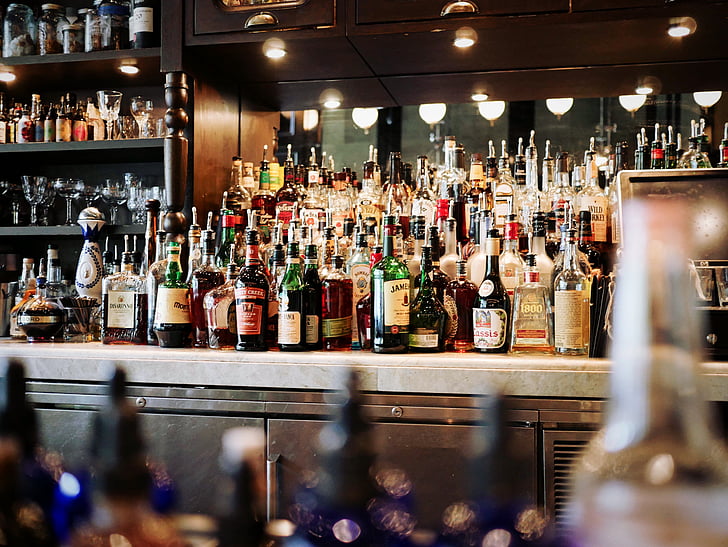
At a minimum, your restaurant will require a general business license, a food service establishment permit from the local health department, and a certificate of occupancy proving the building is structurally safe. If your business model relies on selling alcohol, you must secure a liquor license, which can be an incredibly expensive and competitive process depending on your state quota systems. You must also ensure your space fully complies with the Americans with Disabilities Act and local fire codes, keeping your patrons safe and protecting your business from costly lawsuits.
5. Food Cost Management and Menu Engineering
Menu engineering is the scientific process of designing a menu to maximize profitability. First-time owners often price their dishes based on what nearby competitors charge, without understanding their own internal food cost percentages. To maintain a healthy bottom line, your average food cost should ideally hover between 28% and 32% of the menu price.
To achieve this target, you must calculate the exact cost of every single ingredient on a plate down to the penny, including cooking oils, seasonings, and garnishes. Build relationships with multiple broadline distributors to secure competitive wholesale pricing on your bulk goods. Additionally, design your menu to share ingredients across multiple dishes; if a specific perishable herb or expensive cut of meat is only used in a single menu item, your risk of inventory waste and spoilage rises exponentially.
6. Staffing, Labor Costs, and Company Culture
A restaurant is a human-centric business that relies entirely on your staff to execute your vision. Recruiting, training, and retaining high-quality hospitality talent is an ongoing challenge in an industry characterized by historically high turnover rates. Labor costs typically consume 30% to 35% of your gross revenue, making staff efficiency critical to your success.
To build a reliable team, you must invest heavily in structured training programs before your official opening day. Establish clear, documented standard operating procedures for both front-of-house service staff and back-of-house kitchen workers. Creating a positive, respectful kitchen culture that pays competitive wages and honors work-life balance will drastically reduce your turnover rates, saving you thousands of dollars in recruiting costs and ensuring consistent food quality for your guests.
7. Kitchen Design and Operational Workflow
The layout of your commercial kitchen directly impacts the speed and efficiency of your service. A poorly designed kitchen forces line cooks to cross paths constantly, creating chaotic bottlenecks, slow ticket times, and potential safety hazards.
Work alongside a professional kitchen designer to optimize your workflow based on your specific menu requirements. The kitchen design should follow a fluid, linear progression:
-
Receiving and Storage: Walk-in coolers and dry storage located close to the loading dock
-
Prep Stations: Dedicated spaces for washing, chopping, and portioning ingredients
-
The Main Line: A streamlined setup where line cooks can quickly access components to execute orders
-
The Expo Pass: A central station where the chef inspects plates and coordinates with the service staff
-
Dishwashing Area: Positioned so servers can drop off dirty plates without entering the primary cooking zone
8. Technology Infrastructure and Data Analytics
Modern restaurants rely heavily on integrated technology to maximize efficiency and capture consumer data. Relying on paper tickets and manual spreadsheets will leave you at a severe competitive disadvantage. Your technological foundation should center around a robust Point of Sale system.
A modern Point of Sale system does far more than just process credit card payments. It acts as the brain of your operation, tracking inventory levels in real-time, monitoring labor percentages against hourly sales volume, and providing deep analytics into which menu items are your top profit drivers. Your technology stack should also feature integrated online ordering platforms, digital reservation systems, and automated kitchen display screens to ensure smooth communication between the dining room and the kitchen.
9. Developing a Comprehensive Supply Chain
Your food is only as consistent as the supply chain that delivers your raw ingredients. Disruptions in your supply chain can force you to remove popular items from your menu overnight, frustrating your guests and impacting your revenue.
When establishing your supply lines, do not rely on a single vendor for all your needs. Cultivate relationships with local farms, specialty purveyors, and secondary distributors alongside your primary broadline supplier. This diversification gives you backup options if a vendor experiences a product shortage or shipping delay. It also creates a competitive bidding environment, allowing you to negotiate better payment terms and bulk discounts over time.
10. Marketing and Customer Acquisition Strategy
The philosophy of if you build it, they will come does not apply to the modern restaurant industry. With thousands of dining options available to consumers, you must launch a proactive marketing strategy long before your physical doors open.
Develop a digital presence by designing a clean, mobile-optimized website that features an easily accessible menu and direct reservation links. Optimize your Google Business profile so your establishment appears prominently when local users search for dining options in your area. Utilize social media channels to share high-quality photography of your dishes, give a behind-the-scenes look at your kitchen preparation, and tell your brand story. Building local community relationships through soft-opening preview events for neighborhood residents, food bloggers, and local business owners can generate invaluable word-of-mouth buzz ahead of your grand opening.
Frequently Asked Questions
What is the difference between prime cost and general operating expenses in a restaurant?
Prime cost is the combination of your total cost of goods sold, which includes all food and beverage inventory, and your total labor costs, including management salaries, hourly wages, payroll taxes, and benefits. Prime cost represents the most controllable expenses in a restaurant business and should ideally stay under 60% of gross sales. General operating expenses encompass your fixed and semi-variable overhead costs, such as commercial rent, utilities, insurance, marketing, and equipment maintenance.
How is a soft opening useful for a brand new restaurant?
A soft opening is an unpublicized or invite-only practice run held a week or two before the official public launch. It serves as a live dress rehearsal for the staff, allowing the kitchen team to adjust prep times and the service staff to master the point of sale system under realistic conditions. By inviting friends, family, and local business neighbors to dine at a discounted rate, management can identify operational bottlenecks, refine menu execution, and fix technical glitches before facing public reviews on mainstream platforms.
What are the pros and cons of purchasing used commercial kitchen equipment versus new equipment?
Purchasing used kitchen equipment can save an entrepreneur 40% to 60% on upfront capital costs, allowing you to preserve valuable cash for working capital. However, used equipment rarely comes with a manufacturer warranty, meaning you assume full financial risk if a compressor or heating element fails shortly after opening. New equipment provides reliability, modern energy efficiency, and extensive warranty protections, but commands a premium price tag that can drain your initial development budget.
How long does it typically take to secure a commercial liquor license?
The timeline for securing a liquor license varies wildly depending on your local municipal regulations, state laws, and the specific type of license required. In areas with open quotas, the process can take between three to six months from the initial application date. However, in states or counties operating under strict quota systems where licenses are limited based on population, you may have to purchase an existing license from a private seller on the open market, which can take up to a year and cost hundreds of thousands of dollars.
How much inventory should a new restaurant order for its opening week?
A new restaurant should generally aim to carry no more than five to seven days worth of fresh, perishable inventory and roughly two weeks worth of dry, shelf-stable goods for its opening week. Over-ordering leads to massive food waste, crowded storage spaces, and trapped cash flow. Work closely with your suppliers to arrange multiple delivery days per week, allowing you to restock high-volume items fluidly as you analyze the initial consumer ordering patterns during your first few days of service.
What is the standard formula used to calculate a restaurant table turnover rate?
Table turnover rate measures the number of times a specific table seats a new party during a single dining shift. To calculate the average table turnover rate for your entire dining room, divide the total number of parties served during a specific time period by the total number of physical tables available in your restaurant. Monitoring this metric helps management understand operational efficiency, optimize floor layouts, and forecast peak revenue potential accurately.