
The Psychology of Authentic Italian Food: Why Pasta Makes You Happier
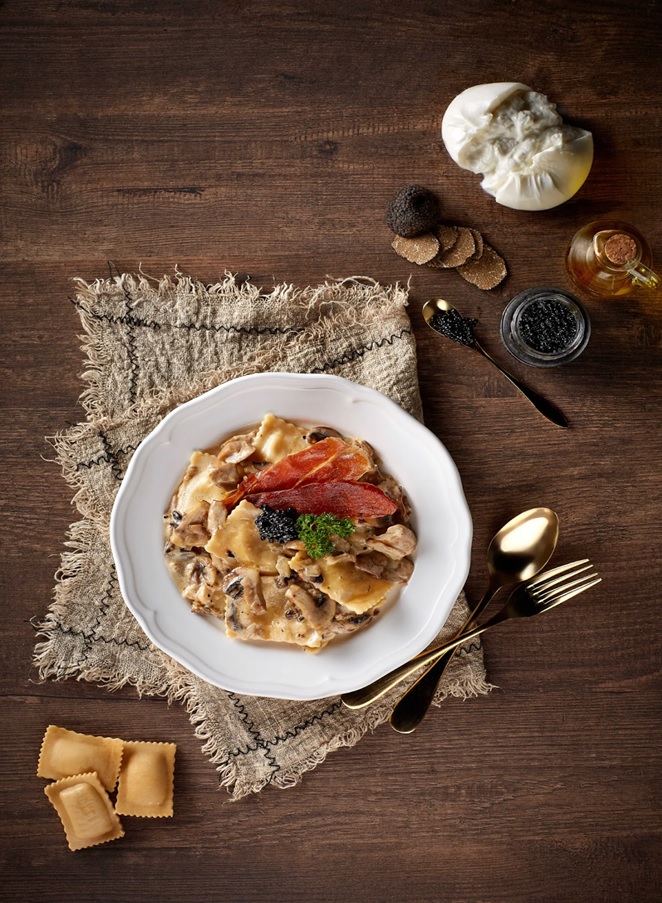
A deeper look at the culture of eating pasta, emotion, neuroscience, and why every plate of pasta makes people feel happier at Pasta Fresca, a restaurant for authentic Italian food in Singapore.
In this article, you’ll discover how pasta consumption and happiness are linked by science, culture, and culinary authenticity, and how Pasta Fresca’s approach brings that emotional uplift to diners in Singapore.
Key Takeaways
- Eating pasta 1 to 2 times a week in mindful, social settings enhances positive emotions and happiness.
- Research scientifically proves that pasta triggers both memory and emotional responses, creating lasting happy memories.
- Authentic quality, fresh ingredients, texture, and craft amplify the emotional impact of pasta.
- In Singapore’s dining scene, delivering that emotional promise through authenticity is a differentiator.
Food, Mood and Comfort: Psychology of Mood Foods
The link between pasta and emotion is bidirectional. Mood influences the food choices made, and the food eaten in turn affects one’s mood.
Foods high in comfort, warm, starchy, and familiar, are often associated with pasta, especially in Italian culture. This helps explain why pasta and happiness are closely related.
Mood foods like pasta are not just a short-term pleasure; they can contribute to longer-term well-being. The experience of eating pasta triggers both physiological satisfaction and cognitive reward pathways.
When pasta is consumed regularly, it can create a cycle of positive reinforcement through the formation of happy memories.
Research on experienced emotion shows that positive memories, such as a family pasta dinner, can shape lasting feelings of happiness. Mindful eating enhances this emotional connection by immersing us in the sensory experience, while the “commensality effect” suggests that sharing a culturally significant meal, such as pasta, strengthens social bonds and amplifies joy.
Does Eating Pasta Make You Happier?

Source: https://www.shutterstock.com/image-photo/asian-chinese-mother-daughter-eating-spaghetti-608633018
Yes! A major study on the relationship between pasta and mood, known as “Pasta, What a Feeling!”, found that consuming pasta is associated with a measurable increase in happiness.
Key findings from the study include:
- Participants who consumed pasta in social settings reported higher levels of positive emotions and satisfaction.
- Using ecological momentary assessment, researchers observed that when participants ate a plate of pasta, there was a notable response to pasta in self-reported mood scores.
- The study on the relationship highlighted that pasta often evokes happy memories, particularly those associated with family or social dining.
The International Pasta Organisation also notes that pasta has been chosen as the food of emotional comfort in many Italian households, often referred to as the queen of Italian tables.
How Neuromarketing at IULM University Shows the Emotional Power of a Plate of Pasta
Neuromarketing at IULM University examined how the response to pasta can be quantified through brain activity and emotional engagement. The Behaviour & Brain Lab found that a plate of pasta makes people more attentive and emotionally engaged than other common comfort foods.
The study measured memory, engagement, emotional, and happiness indices:
| Index | Pasta Score | Interpretation |
| Memory | 0.87 | Strong link to happy memories |
| Engagement | 0.28 | High attentional involvement |
| Emotional | 0.36 | Emotional response comparable to favourite music |
| Happiness | 76 % | An increase in happiness similar to listening to a favourite song |
These results reinforce the connection between pasta and happiness, and demonstrate that the effect of pasta is not only cultural but also measurable.
The International Pasta Organisation also confirms that the emotional impact of pasta consumption is consistent across multiple studies.
To know more about IULM University’s findings on pasta, read here.
Why Authentic Italian Food Matters Beyond Carbohydrate Chemistry
Not all pasta delivers the same emotional impact. When fresh, high-quality ingredients are used, the consumption of pasta has a more substantial positive effect.
- Sensory richness: The texture, aroma, and presentation of a plate of pasta evoke greater pleasure in people.
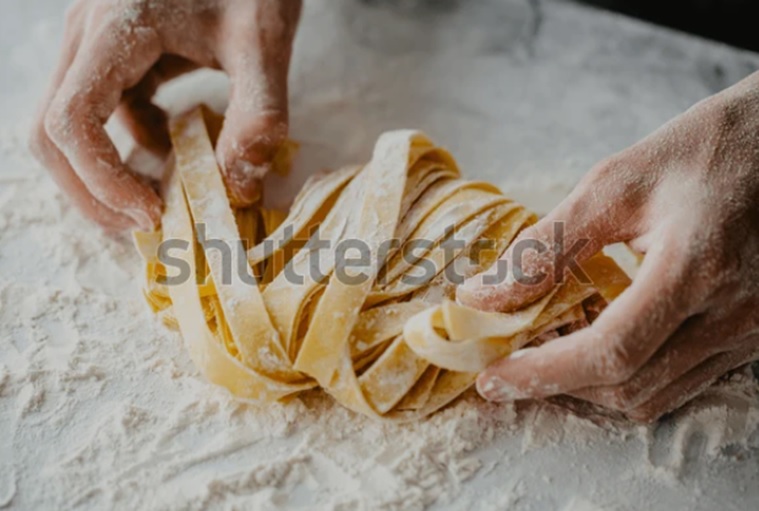
- Authenticity: Pasta made by hand and prepared using traditional methods is more likely to evoke fond memories.
- Context and ritual: Eating pasta in a pleasant environment, mindfully, enhances the positive emotional impact of the experience.
When pasta is prepared with care, it becomes a food of happiness, not just a meal.
Authentic vs Imitation: Which Truly Makes You Happier?
Source: https://www.shutterstock.com/image-photo/closeup-process-making-cooking-homemade-pasta-1112458160
The difference lies in authenticity. In Singapore’s vibrant dining market, where Italian food options abound, only a few capture the emotional essence of Italian cooking.
Pasta Fresca does.
Research and neuromarketing at IULM University show that the response to pasta is strongest when meals are authentic, social, and mindful. Every plate of pasta makes people more engaged, attentive, and emotionally uplifted, which is what Pasta Fresca delivers.
- Authentic ingredients for the genuine Italian taste.
- Mindful preparation that preserves pasta’s sensory and emotional impact.
- Social dining that enhances the link between pasta and happiness.
- Local adaptation for comfort and inclusivity without losing tradition.
When pasta consumption is viewed as both craft and culture, the result is happiness that lasts beyond the meal.
Discover how Pasta Fresca maintains its authenticity here.
Tips for Maximising Pasta and Happiness
At Pasta Fresca, happiness begins with how you enjoy your meal. To make every pasta experience more meaningful and uplifting, keep these simple tips in mind:
- Eat a plate of pasta with friends or family: Shared meals strengthen social bonds and amplify the joy that comes from dining together.
- Use fresh ingredients and practise mindful tasting: Focus on the texture, aroma, and flavour to heighten sensory pleasure and deepen your appreciation of each bite.
- Enjoy pasta 1–2 times a week: Regular, balanced enjoyment keeps pasta’s comforting and mood-boosting qualities alive.
- Choose authentic, well-prepared dishes: Authentic Italian preparation enhances the experience of pasta, bringing out its full emotional and sensory impact.
Every meal at Pasta Fresca is designed to capture this balance of flavour, emotion, and connection, so that each plate of pasta makes you just a little happier.
Authentic Italian Food in Singapore: Where Happiness Is Served Fresh
Pasta truly has the power to lift your mood. Studies show that consuming pasta can lead to a measurable increase in happiness, especially when shared in warm, social settings.
It is no wonder pasta is celebrated as the queen of Italian tables, a dish that brings people together and makes every meal memorable.
At Pasta Fresca, we bring this emotional and cultural essence to life. From handmade pasta prepared using traditional Italian methods to the joy of communal dining, every detail is designed to create genuine moments of connection.
Experience authentic Italian food in Singapore that nourishes both heart and soul. Visit Pasta Fresca and discover why every plate of pasta makes people smile.
Disclaimer
While research suggests that pasta is linked to positive emotions, the results may vary across different cultures and contexts. Moderation is key, but studies consistently show that authentic, high-quality pasta enhances happiness.