
Mineshaft Restaurant’s Glass-Roof Dining: Merging View & Flavor
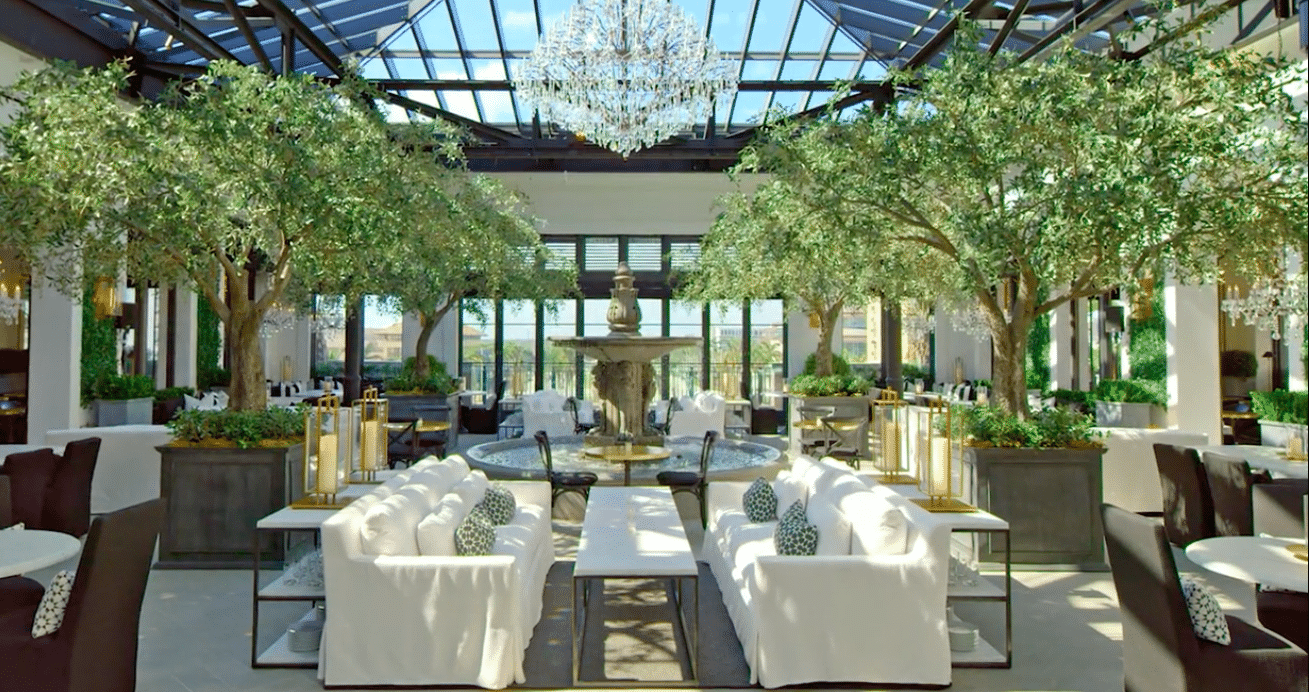
When you think of dining in the mountains, you imagine cozy interiors, wooden beams, and a warm atmosphere. But few experiences rival the breathtaking elegance of enjoying a gourmet meal under a glass roof with panoramic mountain views. That’s exactly what you’ll find at the Mineshaft Restaurant, one of the most distinctive culinary landmarks in Ouray, Colorado.
The Concept of Glass-Roof Dining
The idea of dining under glass brings more than just natural light. It connects diners with nature, creating a seamless blend between the indoors and the dramatic landscape outside. In a town surrounded by peaks, this design elevates mealtime into a sensory experience. Natural sunlight filters through by day, while at night, the roof transforms into a canopy of stars—an atmosphere few traditional restaurants can replicate.
The concept reflects a modern architectural trend in hospitality: merging structure and scenery. It’s not just about food anymore, it’s about the setting that makes every bite memorable.
A Design That Enhances the Dining Experience
A glass-roof restaurant demands architectural precision. The materials must withstand temperature fluctuations, snow, and high-altitude weather conditions without compromising comfort. Mineshaft’s glass structure is designed to maximize natural warmth and minimize glare, ensuring guests enjoy comfort throughout the year.
The acoustic balance is another overlooked detail. Glass can amplify sound, but thoughtful soundproofing ensures a peaceful dining environment. The ambiance allows guests to hear the soft hum of conversations, not the echo of clattering dishes.
How the Setting Impacts Food Perception
Scientific studies show that visual surroundings influence taste perception. Natural lighting enhances the colors and textures of food, while an open environment promotes relaxation. Guests at Mineshaft often describe meals as “fresh,” “uplifting,” and “immersive.” The sensory harmony—between sight, smell, and taste—makes even familiar dishes feel extraordinary.
In this sense, the restaurant’s design becomes part of the cuisine itself. Dining under the Colorado sky amplifies the local ingredients and culinary creativity Mineshaft is known for.
The Symbolism of Transparency in Dining
Glass ceilings symbolize openness and connection. In a restaurant setting, it signifies transparency between the kitchen’s artistry and the natural world. For visitors, it becomes a metaphor for authenticity—real ingredients, genuine hospitality, and unfiltered experience.
Tourists seeking authenticity in Ouray find that Mineshaft offers both substance and spectacle. It’s a place where the boundary between environment and emotion fades away.
The Role of Atmosphere in Destination Dining
Modern travelers increasingly value ambiance as much as menu diversity. A restaurant like Mineshaft doesn’t just sell food, it offers an experience rooted in place. Guests can look out over Ouray’s picturesque streets and surrounding cliffs, reminding them that dining is part of the travel story.
This aligns with the “experience economy” trend where customers pay for feelings rather than mere consumption. The visual drama of a glass roof helps Mineshaft stand out in a destination where nature itself is the main attraction.
Engineering Meets Hospitality
Creating a structure like this at high altitude requires engineering foresight. Glass selection must balance insulation and light transmission. Mineshaft’s builders likely considered snow loads, condensation control, and UV protection to ensure longevity and guest safety.
Every design choice supports hospitality goals—comfort, atmosphere, and sustainability. The result is a structure that complements Ouray’s identity as both rugged and refined.
Environmental Considerations
In mountainous regions, sustainability is critical. Glass-roof designs, when executed properly, improve energy efficiency through passive heating and reduced artificial lighting. Mineshaft’s use of natural illumination not only cuts electricity use but reinforces an eco-conscious image that resonates with travelers today.
Why the Concept Resonates with Modern Diners
Guests today crave experiences that feel personal and memorable. Mineshaft’s combination of innovative design, local flavors, and striking views fulfills that desire. The open roof cultivates mindfulness—diners slow down, savor, and connect.
It’s a strategic differentiation that goes beyond aesthetics. The glass roof has turned Mineshaft into a landmark, appealing to photographers, food critics, and romantics alike.
A Case Study in Experiential Dining
Mineshaft Restaurant exemplifies how design and dining can merge into storytelling. Every architectural detail reinforces its culinary mission: to make each meal a reflection of Ouray’s natural beauty.
By offering panoramic visibility, the restaurant creates an environment of openness and connection. Whether it’s lunch under a bright alpine sky or dinner beneath constellations, the glass roof transforms a simple meal into a memory.
The Emotional Connection of Space and Taste
Psychologically, dining spaces influence mood and perception. The glass ceiling heightens feelings of expansion and tranquility. It allows guests to feel free, surrounded by light and landscape, which in turn enhances satisfaction.
At Mineshaft, guests experience this subtle connection—one that makes them not just eat but feel. The view becomes a companion to the cuisine, reinforcing why atmosphere matters as much as flavor.
Future of Experiential Architecture in Dining
Glass-roof dining represents the next evolution in experiential architecture. It appeals to eco-conscious travelers, design enthusiasts, and culinary adventurers. Restaurants like Mineshaft lead this trend by blending local identity with innovative structure.
The success of such a model could inspire other establishments to rethink dining spaces, prioritizing emotion and engagement over mere efficiency.
Final Thoughts
In an era where people seek meaning in every experience, Mineshaft Restaurant’s glass-roof dining delivers exactly that. It’s not just a place to eat—it’s a place to reconnect with nature, architecture, and oneself. The open sky becomes part of the menu, and every meal feels uniquely Ouray.
FAQs
1. Why is the glass roof such a defining feature of Mineshaft Restaurant?
It merges natural scenery with dining, creating an open and light-filled space that enhances food presentation, comfort, and overall sensory experience.
2. How does the restaurant manage temperature and comfort under a glass ceiling?
The structure is engineered with high-quality glass that balances insulation and sunlight, ensuring warmth in winter and ventilation during summer.
3. What makes glass-roof dining unique compared to traditional restaurant designs?
It connects guests to their surroundings, allowing natural light and mountain views to elevate dining into an immersive, memorable experience.
4. Does Mineshaft Restaurant prioritize sustainability?
Yes. The use of natural light reduces electricity consumption and aligns with eco-friendly practices suitable for the mountain environment.
5. Why do visitors consider it a must-visit in Ouray?
Because it offers more than food—it offers atmosphere, authenticity, and a view that captures the essence of Colorado’s mountain charm.