The Essence of a Bar: A Cultural and Social Haven

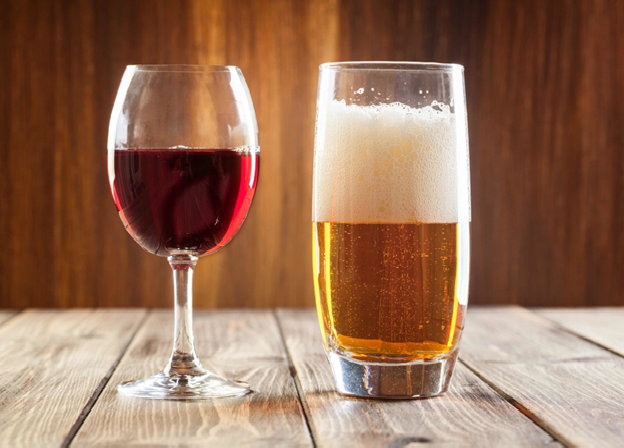
A bar is more than just a place to grab a drink—it is a cultural institution, a social stage, and often, a window into the heart of a community. From the intimate, dimly lit corners of a neighborhood pub to the sleek, modern lounges that beckon with signature cocktails and panoramic views, bars have a unique role in shaping the social fabric of cities and towns alike. They are places of celebration and reflection, where strangers become friends, and the weight of the world can be momentarily forgotten. Whether you’re enjoying a quiet moment with a glass of wine or partaking in the energy of a bustling cocktail lounge, a bar is a space that invites interaction, discovery, and connection.
The History and Evolution of Bars
The history of bars can be traced back thousands of years, evolving from humble gatherings in ancient civilizations to the vibrant, multifaceted venues we know today. In ancient Greece, the symposia—social drinking parties—were a central part of aristocratic life. These gatherings were not just about drinking; they were intellectual affairs where people would engage in philosophical debate, art, and music. The Roman taberna functioned in much the same way, offering food, drink, and a space for community interaction.
The term “bar,” as we understand it today, comes from the physical barrier or counter that separates the bartender from the patrons, a concept that became more prevalent in the 19th century. In Europe, particularly in England, the evolution of public houses and taverns marked the rise of the social drinking establishment as we know it. The public house was not just a place to quench thirst; it was a place where people gathered to discuss politics, current events, and exchange stories. By the late 1800s, bars had firmly established themselves as important cultural and social spaces in Western society.
As the world entered the 20th century, the Prohibition era in the United States (1920-1933) brought a fascinating paradox to the role of bars. With the legal production and sale of alcohol banned, speakeasies—underground, hidden bars—became the heart of illicit social life. These establishments, often tucked away behind unmarked doors or in basements, fostered a culture of rebellion, creativity, and exclusivity. In many ways, the speakeasy has left an indelible mark on the design and culture of modern bars, influencing the mix of secrecy and allure that many contemporary venues still try to embody.
The Art of Mixology: Crafting Drinks with Precision and Creativity
While the traditional bar served primarily as a place to consume alcohol, today’s bars are hubs of innovation, where skilled bartenders (often called mixologists) create drinks that are as much about artistry as they are about flavor. The rise of craft cocktails in the early 21st century marked a shift away from mass-produced drinks toward beverages that prioritized quality ingredients, precise techniques, and thoughtful combinations of flavors.
Craft cocktails often involve the use of high-end spirits, fresh herbs, fruits, and bitters, creating drinks that are more complex than the typical mixed drink. A classic cocktail like the Martini or Old Fashioned, when made with care and attention to detail, can evoke a sense of elegance and timelessness. On the other hand, modern mixology has birthed drinks like the smoky Mezcal Margarita or the floral-infused Gin and Tonic, which offer an entirely new sensory experience.
Bartenders are no longer just pouring drinks—they are performing alchemy, balancing flavors and textures in ways that delight the senses. The art of bartending has also become an essential part of the bar’s atmosphere, with many bars focusing on the overall experience, including the aesthetics of glassware, garnishes, and presentation. The popularity of cocktail competitions and the rise of social media have also contributed to the growing recognition of bartenders as artists and innovators.
Bars as Social and Cultural Spaces
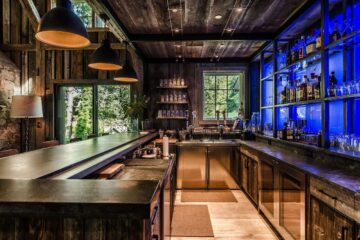
A bar is more than just a venue for drinking; it is a reflection of the social and cultural dynamics of its surroundings. The design and ambiance of a bar can communicate a lot about its identity. A classic dive bar, with its neon lights and pool tables, offers a sense of nostalgia and casual camaraderie, while a high-end rooftop bar might cater to a more sophisticated crowd with its panoramic views and carefully curated drink list. The concept of a “bar” is therefore malleable, constantly shifting and evolving to meet the demands and tastes of the local community.
The role of a bar in shaping local culture cannot be overstated. In some cities, bars serve as gathering places for subcultures and social movements, such as LGBTQ+ spaces or establishments that cater to particular music genres like jazz, punk, or electronic. For instance, in New Orleans, the history of jazz and its influence on local bars is legendary. The French Quarter is home to numerous iconic bars where live jazz music and cocktails blend seamlessly, creating an atmosphere of timeless celebration.
Likewise, bars are frequently the backdrop to important moments in life—first dates, job celebrations, the after-party of a wedding, or the quiet drink shared between friends after a difficult week. They provide a space where life’s small and large moments can unfold with ease. The rituals of ordering a drink, toasting, and enjoying a shared experience have a universality to them, transcending boundaries of age, profession, or background.
The Future of Bars: Trends and Innovations
As we look toward the future, the bar scene continues to evolve with new trends and innovations that reflect changes in technology, social behavior, and lifestyle preferences. Sustainability, for example, has become an important consideration in many bars, with establishments focusing on reducing waste, sourcing local ingredients, and creating eco-friendly drink options. The use of plant-based spirits and organic ingredients is on the rise, reflecting the growing demand for healthier and more environmentally conscious drinking habits.
The digital revolution has also made its mark on bars, with innovations such as online cocktail classes, app-based reservations, and even AI-powered drink recommendations. Virtual bars and social drinking experiences—like online cocktail-making tutorials or virtual happy hours—have become increasingly popular, especially in the wake of the COVID-19 pandemic. While these innovations have provided new ways for people to connect over drinks, they can never quite replicate the communal experience of sharing a space with others in person.
Bars are also leaning into immersive experiences, where patrons can enjoy not just a drink, but a full sensory experience. This might include themed bars, where the décor, cocktails, and even the staff’s attire follow a particular motif or narrative, such as 1920s speakeasies or tropical tiki bars. Some bars are even incorporating virtual reality (VR) elements, allowing guests to experience an entirely different environment while enjoying their drinks.
Conclusion: The Lasting Appeal of the Bar
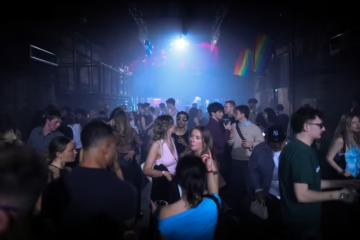
The bar is one of the few places where time can stand still, where the pulse of the city or neighborhood is reflected in the clink of glasses and the hum of conversation. It is a space that has continually adapted to the needs of the people it serves, evolving from ancient communal spaces to modern-day havens of sophistication, creativity, and connection. Whether it’s the artistry of a carefully crafted cocktail, the warmth of a neighborhood pub, or the thrill of a lively dance floor, bars hold a special place in the cultural landscape.
At their core, bars are spaces for human connection. They are places where stories are exchanged, friendships are forged, and the simple act of enjoying a drink becomes a meaningful ritual. The future of bars will undoubtedly be shaped by new trends and technologies, but at their heart, they will always remain places where people come together to share in the joy of life—one drink at a time.