10 Essential Cooking Tips for Absolute Beginners
Stepping into the kitchen for the first time can feel incredibly overwhelming. With thousands of recipes available online, complex kitchen gadgets, and specialized culinary vocabulary, it is easy for an absolute beginner to feel discouraged. However, great cooking does not require secret talents or decades of experience. It relies on understanding a few fundamental principles of heat, seasoning, and organization.
When you master the basic mechanics of food preparation, recipes stop looking like rigid rules and start looking like flexible guidelines. Cooking is a practical skill that improves with consistency and patience. By implementing these ten essential cooking tips, you will build culinary confidence, avoid common kitchen disasters, and start creating delicious, home-cooked meals with ease.
1. Read the Entire Recipe Before You Start
The most common mistake an absolute beginner makes is reading a recipe step-by-step while simultaneously trying to cook the meal. This approach inevitably leads to panic, burned ingredients, or missed steps. A recipe might casually mention halfway through that an ingredient needs to be marinated for two hours, or that a vegetable must be finely minced before entering the pan.
Always read a recipe completely from start to finish at least twice before you ever turn on a stove or open the refrigerator. This gives you a clear mental map of the process. You will understand the timing, see what tools are required, and prevent stressful surprises in the middle of execution.
2. Embrace Mise en Place (Everything in Its Place)
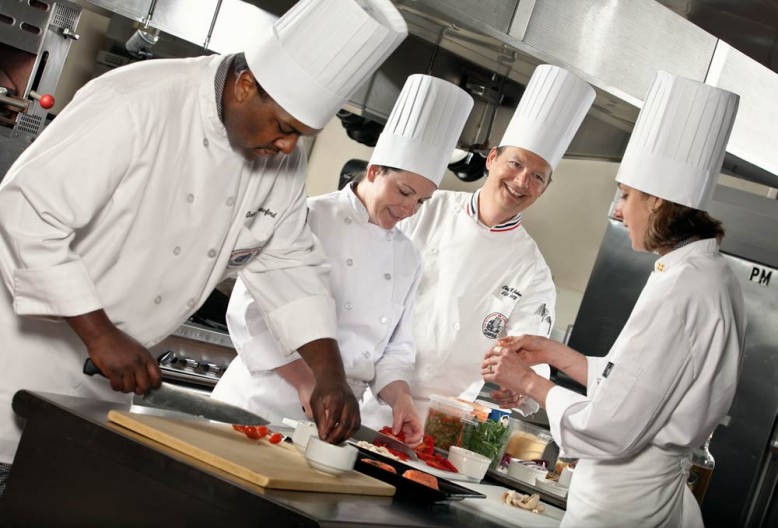
Mise en place is a French culinary phrase that translates to gathering and arranging everything in its place. In professional kitchens, chefs never chop an onion while garlic is already burning in a hot pan. They prepare every single ingredient before the heat is introduced.
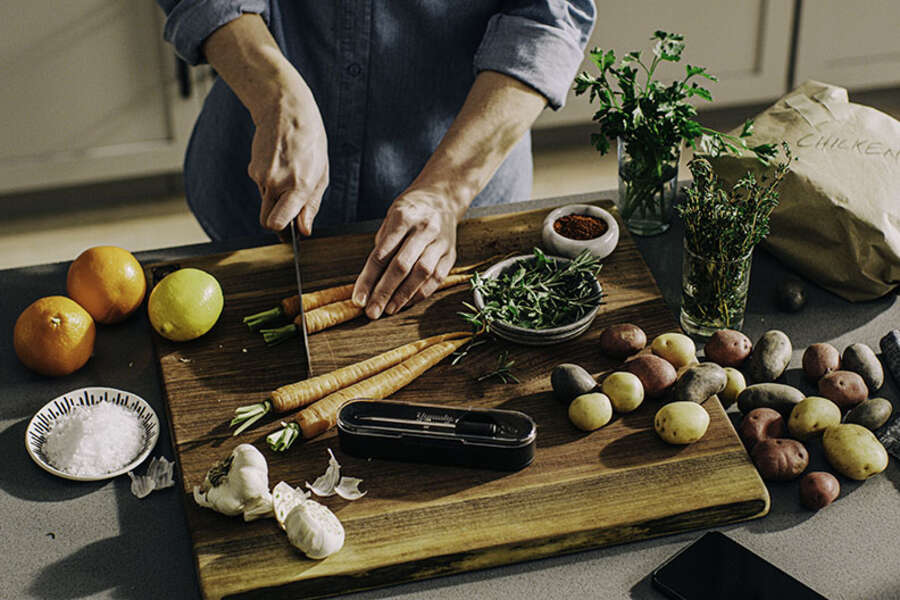
Before you begin cooking, chop all your vegetables, measure out your liquids, portion your spices into small bowls, and place your cooking fats within arm’s reach. This simple habit transforms cooking from a chaotic rush into a calm, structured, and enjoyable process. It also prevents your food from overcooking while you frantically try to chop the next ingredient.
3. Invest in a Quality Chef Knife and Keep It Sharp
Many beginners assume that a dull knife is safer than a sharp one because it cannot cut skin as easily. In reality, a dull knife is one of the most dangerous items in a kitchen. A blunt blade requires you to apply heavy physical pressure to force it through food, which dramatically increases the likelihood that the knife will slip off a tough vegetable skin and slice your fingers.
A sharp knife cuts effortlessly, giving you total control over the blade. Invest in a single, high-quality eight-inch chef knife and a sturdy cutting board. Avoid cutting on glass or marble surfaces, as these hard materials fold and dull the delicate edge of your knife instantly.
4. Control Your Pan Temperature
When beginners want to cook food faster, their natural instinct is to turn the stove dial all the way up to high heat. This almost always results in a dish that is charred and bitter on the outside while remaining raw, cold, or undercooked on the inside.
For the vast majority of everyday cooking tasks, medium-high, medium, or medium-low heat settings are your best friends. High heat should be reserved almost exclusively for boiling water, searing steaks, or flash-frying stir-fries. Give your pan a few minutes to heat up thoroughly before adding your oil and ingredients, ensuring an even distribution of heat.
5. Do Not Overcrowd the Pan
When you place too much food into a single skillet or roasting pan at the same time, the temperature of the pan drops drastically. Instead of searing, browning, or crisping, the moisture escaping from the food gets trapped. This causes the ingredients to steam in their own juices, resulting in soggy textures and a complete lack of deep, savory flavor.
If you are browning meat or roasting vegetables, ensure there is visible space between the pieces. If your pan is too small, cook the food in separate batches or upgrade to a larger skillet. Giving your food room to breathe allows moisture to evaporate quickly, creating that beautiful golden-brown crust known as the Maillard reaction.
6. Season with Salt Throughout the Cooking Process
Many novices treat salt as a final table garnish, adding it only right before they take their first bite. This results in food that tastes salty on the surface but flat and uninspired on the inside. Salt is not just a flavor; it is a flavor enhancer that draws out the natural aromatic qualities of your ingredients.
Instead of salting once at the very end, add small pinches of salt at every stage of the cooking process. Salt your raw meats before they hit the pan, throw a pinch into your onions as they soften, and salt your pasta water until it tastes like the ocean. This layered approach creates deep, balanced flavor throughout the entire dish.
7. Acid is the Secret Ingredient to Balance Flavor
When a dish tastes like it is missing something, but you have already added a reasonable amount of salt, the missing component is almost always acid. Acid cuts through heavy fats, brightens dull flavors, and balances out excess sweetness or bitterness.
Always keep fresh lemons, limes, and a few varieties of vinegar, such as red wine vinegar or apple cider vinegar, in your kitchen. A simple squeeze of fresh lemon juice over roasted vegetables, or a splash of vinegar into a rich soup or stew at the very end of cooking, can instantly transform a flat dish into a vibrant, restaurant-quality meal.
8. Use Your Senses, Not Just the Kitchen Timer
A kitchen timer is a helpful guide, but it should never be the final judge of when your food is done. Every stove, oven, and pan behaves differently. An oven in a high-altitude region cooks differently than one at sea level, and a heavy cast-iron skillet retains heat far better than a thin aluminum pan.
Start paying close attention to visual, auditory, and aromatic cues. Look for changes in color, such as onions turning translucent or garlic turning golden. Listen to the sound of the pan; a gentle, steady sizzle indicates proper heat, while a violent pop means the pan is too hot. Trust your nose as well, as aromatic herbs and toasted spices will release an intense fragrance the exact moment they are perfectly cooked.
9. Let Cooked Meat Rest Before Slicing
When you cook a piece of meat, the muscle fibers tighten up and push all the internal juices toward the center of the cut. If you slice into a chicken breast or a steak immediately after pulling it off the heat source, those flavorful juices will run out onto your cutting board, leaving the meat dry and tough.
Always transfer your cooked meat to a warm plate or clean cutting board and let it rest undisturbed for five to ten minutes before slicing. This brief pause allows the muscle fibers to relax, letting the delicious juices redistribute evenly throughout the entire cut of meat, ensuring every bite is tender and moist.
10. Clean Your Kitchen Workspace As You Go
Cooking can create a monumental mess, and facing a mountain of dirty bowls, sticky countertops, and greasy pans at the end of a meal can make you resent the entire process. Professional chefs minimize this burden by cleaning continuously throughout their shifts.
Utilize the natural downtime built into cooking. While you are waiting for water to boil, or while your sauce is simmering on low heat for fifteen minutes, wash your mixing bowls, wipe down your countertops, and put away your spice jars. Maintaining an organized, clean workspace keeps your mind clear and ensures that when your meal is finally ready, you can relax and fully enjoy your food.
Frequently Asked Questions
What is the difference between kosher salt and regular table salt?
Table salt consists of dense, tiny square crystals that often contain added iodine and anti-caking agents, giving it a slightly metallic taste if overused. Kosher salt features larger, coarser, and flatter flakes that dissolve cleanly and are much easier to pinch with your fingers, providing better control over your seasoning. Because table salt crystals are packed tighter together, a single tablespoon of table salt is nearly twice as salty as a tablespoon of kosher salt.
Why does garlic burn so easily, and how can I prevent it?
Garlic contains a high concentration of natural sugars and very little water, meaning it cooks and scorches extremely fast when exposed to direct heat. To prevent your garlic from turning bitter and black, always add it to the pan during the final thirty to sixty seconds of sautéing, after your other vegetables like onions and peppers have already softened and released their moisture.
How do I fix a soup or a sauce that I accidentally made too salty?
If a liquid dish is slightly over-salted, you can dilute it by adding a splash of water, unsalted broth, or a splash of heavy cream or coconut milk depending on the recipe profile. Alternatively, you can introduce an acid like fresh lemon juice or a touch of sugar to balance out the perception of saltiness on your palate, though this will not physically remove the sodium.
What are the best neutral cooking oils for a beginner to use?
For high-heat cooking, sautéing, and roasting, beginners should look for neutral oils with a high smoke point, meaning they can withstand heat without burning or smoking. Excellent options include canola oil, vegetable oil, grapeseed oil, and avocado oil. Save extra virgin olive oil for low-heat cooking, drizzling over finished dishes, or making salad dressings, as it burns easily at high temperatures.
How do I know if a piece of chicken is safely cooked without cutting it open?
The only completely accurate and safe way to check the doneness of meat is to use a digital instant-read meat thermometer. Insert the probe into the thickest part of the chicken breast or thigh, avoiding any bone. Chicken is completely safe to consume once it registers an internal temperature of 165 degrees Fahrenheit. Cutting the meat open to check the color releases the essential internal juices prematurely.
What is the purpose of deglazing a pan, and how do I do it?
When you sear meat or vegetables, caramelized bits of food get stuck to the bottom of the skillet, which is called fond and holds an immense amount of concentrated flavor. Deglazing involves pouring a cold liquid, such as broth, wine, or water, into the hot pan while scraping the bottom with a wooden spoon. The liquid loosens the stuck pieces, incorporating them into a rich, deeply flavorful sauce.